


How Connecting Your LMS with HR Software Can Simplify Employee Training


training becomes harder to manage as organizations grow. New hires need onboarding, employees need development, managers need visibility, and HR teams must keep workforce information accurate. When the learning management system and HR software are disconnected, administrators often repeat work.
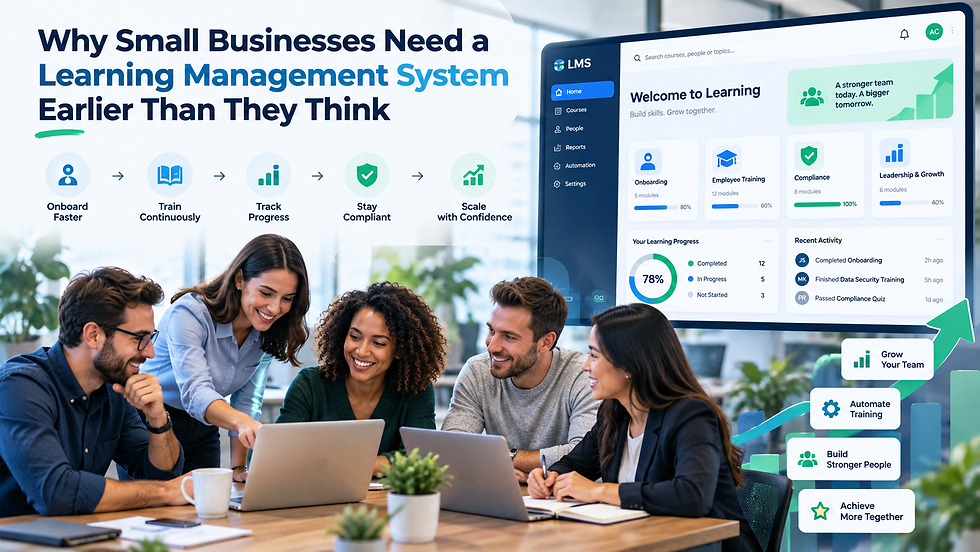
LMS HR integrations can simplify this process. By connecting an LMS with HR software, organizations can reduce duplicate data entry, automate training assignments, keep learner records current, and improve the employee experience.
What Are LMS HR Integrations?
LMS HR integrations connect a learning management system with an HR platform such as an HRIS. The HR system usually stores employee information including roles, departments, managers, and locations.
Through HRIS integration, this information can flow into the LMS automatically. The LMS can then use employee data for course assignments, learning paths, reporting, and employee training automation.
1. Automate New Hire Enrollment
With LMS HR integrations, a new employee added to the HR system can also be created in the LMS. This reduces data entry and helps new hires access training sooner.
2. Assign Training by Role
Sales employees may need product knowledge and CRM training. Managers may need leadership development. Operations teams may require safety instruction.
HRIS integration can send role information to the LMS so relevant training is assigned automatically.
3. Improve Employee Training Automation
Employee training automation works best when the LMS has accurate workforce data.
A new sales employee may automatically receive onboarding, product training, compliance courses, and sales process training. A promoted manager may receive a leadership path.
Automation reduces manual course assignment and creates consistent workflows.
4. Keep Learner Information Updated
People change departments, receive promotions, move locations, switch managers, or leave.
If HR software and the LMS are disconnected, training records can become outdated.
LMS integrations help keep learner information aligned so assignments, reporting, and manager visibility remain accurate.
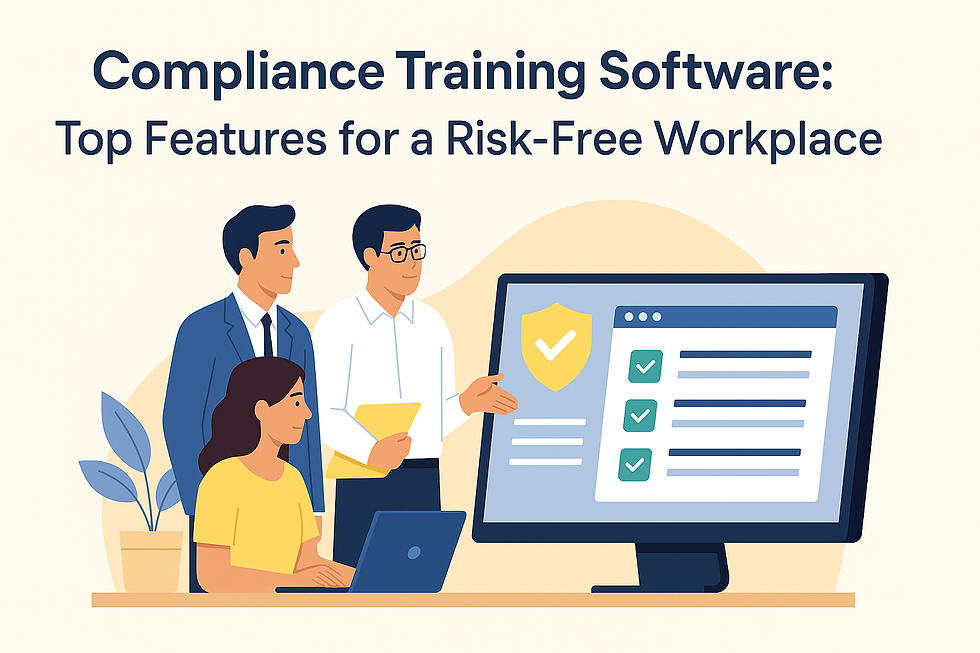
5. Simplify Compliance Training
Compliance requirements may depend on role, department, location, or management responsibility.
An HRIS integration can help identify which employees need mandatory courses. The LMS can assign training, set deadlines, send reminders, track completion, and manage renewals.
This creates a structured compliance process.
6. Support Faster Onboarding
Onboarding often requires several learning activities during the first weeks of employment.
New hire added to HR system → LMS account created → Department identified → Onboarding path assigned → Training begins.
This helps HR reduce delays and gives employees a clearer learning experience.
7. Improve Manager Visibility
Managers need to know whether employees completed assigned learning.
If reporting relationships are synchronized from HR software, managers can see course completion, overdue training, assessment results, and certification status for the correct employees.
8. Reduce Duplicate Data Entry
Without LMS HR integrations, HR and L&D teams may enter the same employee information into several systems.
This wastes time and increases mistakes.
A connected environment allows the HR platform to remain the main source of workforce data while the LMS uses that information for training.
. Support Role-Based Learning Paths
A learning management system can use HR information to create targeted learning experiences.
Customer support employees can receive a support development path, while managers receive leadership training.
This makes training more relevant and easier to scale.
10. Simplify Employee Offboarding
When an employee leaves, access to business systems must be updated.
LMS integrations can help ensure learner status changes when employment information is updated in the HR system.
11. Improve Training Reporting
Learning data becomes more useful when connected with accurate workforce information.
HR and L&D teams can compare training completion by department, location, role, or manager. This makes it easier to identify gaps and support needs.
12. Scale Training More Efficiently
Manual processes become harder as the workforce grows.
More employees mean more accounts, assignments, reminders, updates, and reports.
LMS HR integrations help automate these activities so training can scale without the same increase in administrative work.
How to Plan an HRIS Integration
Start by identifying which employee information the LMS needs. Common fields include department, role, manager, location, start date, and employment status.
Next, decide which training workflows should use that data.
Test the integration before expanding it across the organization. Review automation rules as job structures and training requirements change.
Using SkyPrep for Connected Employee Training
Platforms such as SkyPrep can help organizations centralize employee learning, automate assignments, build learning paths, track progress, and support LMS integrations within a connected training environment.
For HR and L&D teams, this can reduce repetitive administration and make employee development more responsive to workforce changes.
Final Thoughts
LMS HR integrations connect employee data with training activity.
A strong HRIS integration can simplify onboarding, role-based learning, compliance training, reporting, and employee training automation.
The goal is not simply to connect two systems. It is to create a more efficient process where employee information supports the right training actions automatically.
When HR software and the LMS work together, organizations can reduce manual work, improve data accuracy, support better learner experiences, and build training programs that are easier to manage as the business grows.

Comments